Aug 11, 2026 · Point-to-point
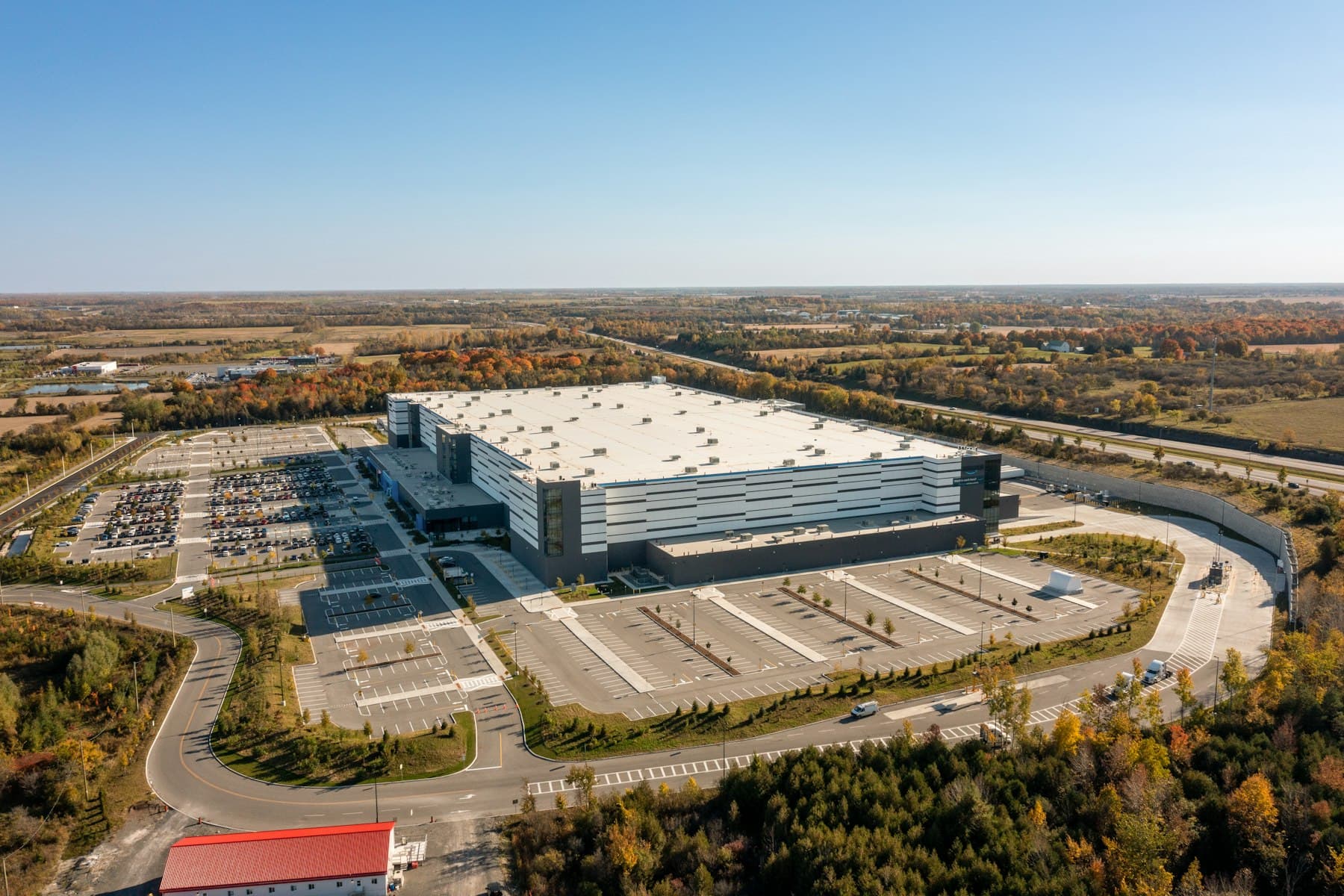
Point-to-point wireless looks simple in a product photo: two dishes, a claimed distance, a price. On a compound or a small campus, the failure is almost never the radio chipset. It is the path, the mount, or the power — and all three are decided before anyone selects a model.
Path
Trees grow. Roofs collect HVAC units. A link surveyed through bare branches in February is a different link in July. Vehicles park where nobody expected a trailer to park.
The working question is whether you can describe the clearance requirement in plain language: this hop needs clear air through a football-shaped volume between the two mounts, widest in the middle. If you cannot point at that volume on the property and say what is in it across a full year, you are guessing and calling it a design.
Fade margin is the other half. A link commissioned with a few decibels of headroom is a link that fails in rain, and rain is exactly when someone wants to review video.
Mounts
A radio on a flexible mast aligns beautifully on a calm afternoon and drifts out of alignment in the first real wind. Narrow beamwidths punish movement — the tighter the beam, the stiffer the mount has to be.
Three things belong in the drawing rather than being improvised on installation day: structural attachment and stiffness, grounding and surge protection at both ends, and service access. If reaching the far radio requires a lift and a Saturday, that cost is part of the design whether or not anyone wrote it down.
Power and handoff
The radios are the easy part. The design is what happens around them.
What VLAN does the link carry, and is camera traffic separated from anything else crossing it? Is PoE honest at that distance, or does the far end need local power and a small switch? What happens when the far-side switch reboots — does the link come back on its own, or does someone drive out? Is there a UPS at the far end, and if not, is that acceptable when the client is told plainly?
Load
Match the hop to what crosses it. A few Protect cameras and a door hub is a modest load; a dozen high-resolution streams with local recording at the far end is not. Sizing follows the camera schedule, not the throughput headline on a box.
Then pick the radio
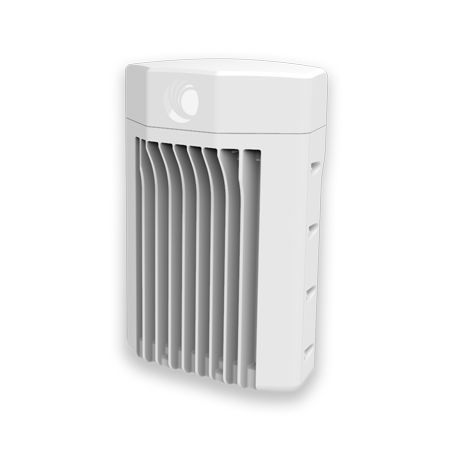
Once the path, mounts, power, and load are written down, hardware selection is short. Clear line of sight with a short span points to cnWave at 60 GHz — typically a V5000 with V1000 or V2000 clients, not the V3000. Longer spans, seasonal foliage, or a soft path point to ePMP at 6 GHz with a Force 4625 SM as the preferred subscriber module, where the extra fade margin is worth the lower ceiling.
If a vendor will not discuss fade margin and mounting before quoting model numbers, they are selling a shopping cart. We write the path first. Hardware follows.