Aug 18, 2026 · Cameras
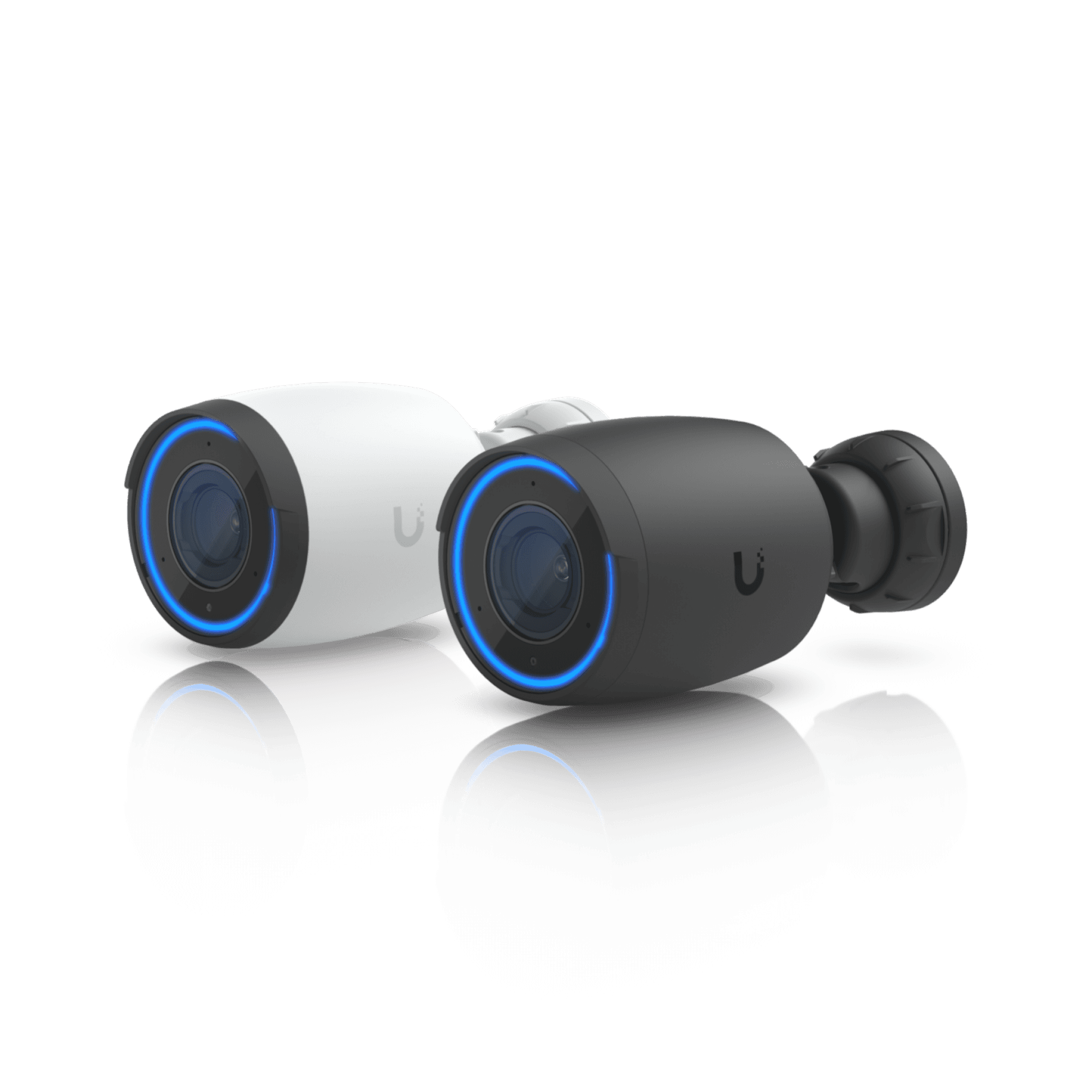
Trade coverage of video management systems orbits licensing tiers, cloud plans, and which firmware release added which detection. That reporting is useful. But on the sites we design — a boardwalk retail block, a daycare, a six-camera shop, a dealership lot — the decision that sets the next five years comes earlier and it is structural: does the video live on hardware the owner controls, or on a platform that bills per channel for as long as the cameras are up?
UniFi Protect answers that by keeping recording, person and vehicle detection, line crossing, and license plate reads on the appliance the owner bought. That is the platform decision. Camera count is a line item downstream of it.
What the platform choice buys
No per-channel license means the five-year number is hardware, drives, and labor — not a renewal that grows with every camera someone adds. For a small site that difference is often larger than the price gap between camera models.
It also collapses vendor count. Cameras, door readers, intercom, and the switch that powers them land on one console with one support path, which matters when the person managing the system is a shop owner rather than an IT department.
And it keeps evidence local. Pulling a clip for an insurer or a police report is a login on site, not a support ticket against a portal.
What still has to be designed
Choosing the platform does not do the engineering. Four items belong on paper before hardware is ordered:
- Retention. Drive size, codec, and stream rate against a real target. Fourteen days and forty-five days are different builds, and "we'll check the footage next month" is a forty-five-day requirement.
- PoE. Infrared and cold-weather draw on the switch that is actually in the closet, with headroom for the camera added next season.
- Coverage. Registers, doors, and lot lanes drawn as fields of view — not "sixteen cameras" on a quote line.
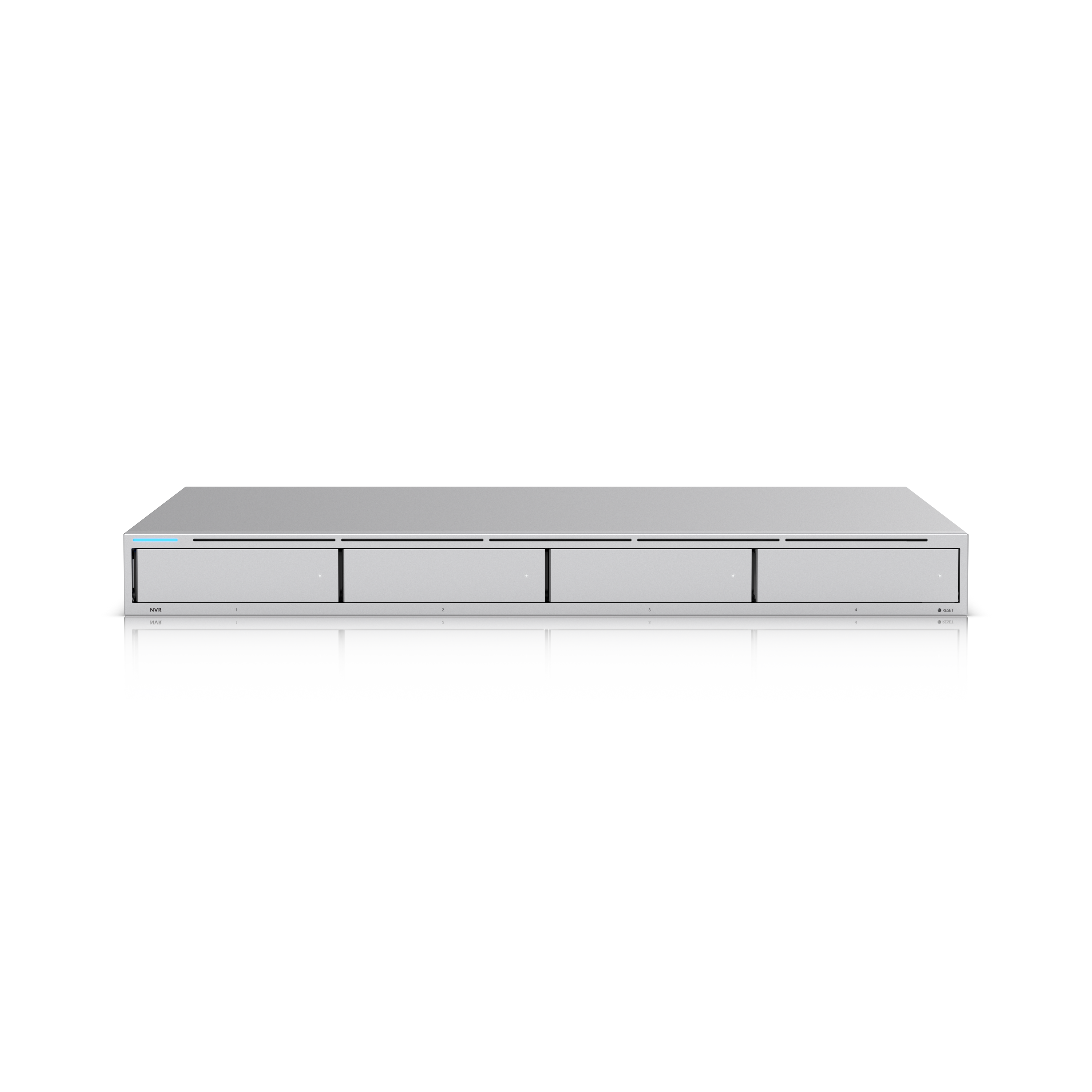
- Recorder placement. A UNVR in a lockable, ventilated space, on a UPS, with drives sized for rebuild rather than exactly full.
Where it is the wrong answer
Protect is not a universal fit, and saying otherwise is how integrators lose credibility. A campus with hundreds of channels and an existing enterprise VMS should stay where its operators are trained. A client whose insurer or corporate parent requires third-party cloud custody of video needs that platform, not ours. Sites with a central monitoring contract usually inherit the monitoring company's stack.
We specify Protect because our buyers are small commercial owners who want to own their recorder, and because the analytics they need — plate reads at a gate, vehicle alerts on a lot after hours — are already in the box.
We follow the release notes the way an operator should: read them for storage and codec behavior, schedule upgrades, and keep retention sized with margin. The news cycle moves weekly. The recorder has to still be right in year four.