Aug 4, 2026 · Networking
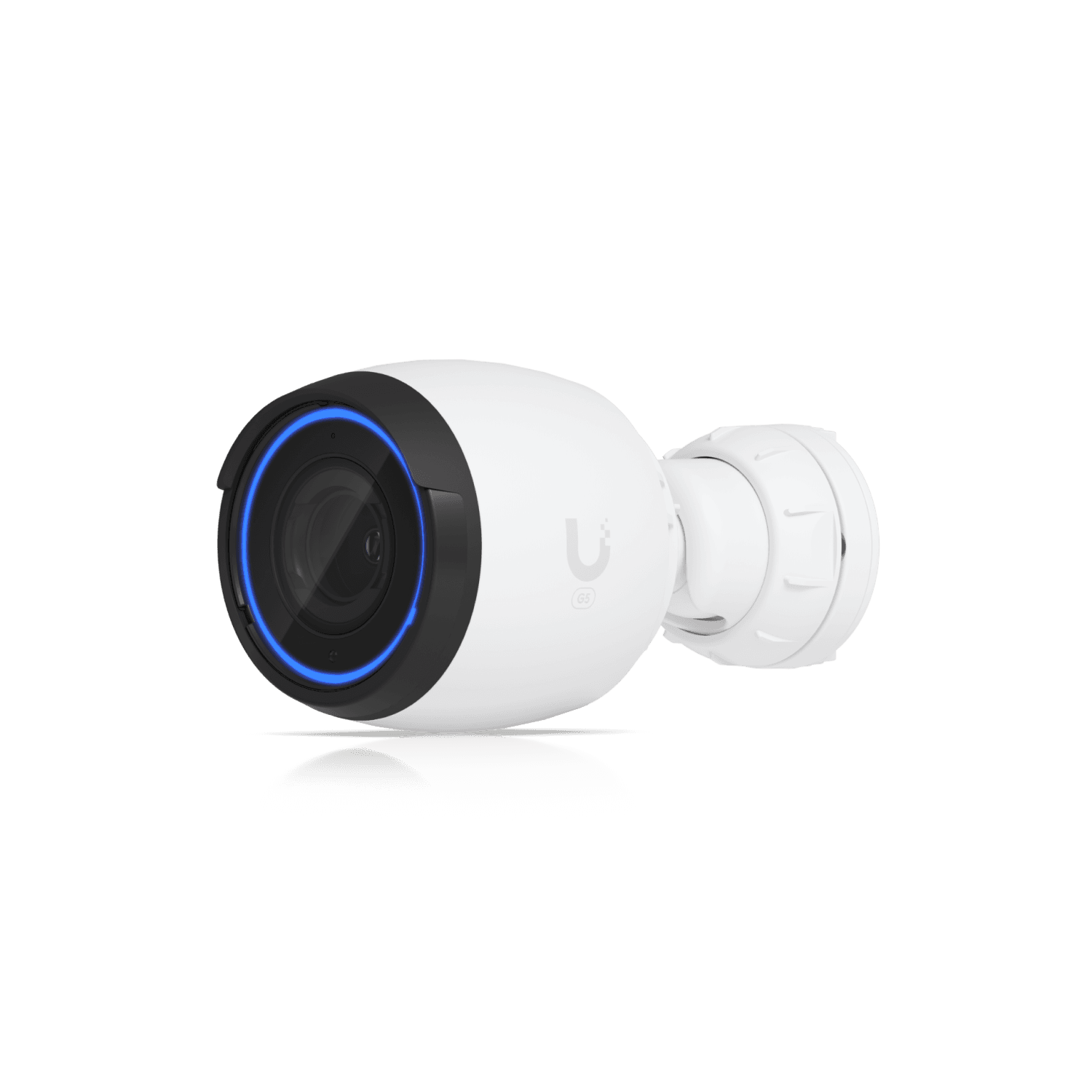
A camera that passes commissioning at two in the afternoon and drops out after dark is usually not a bad camera. It is a power budget nobody calculated.
Why the datasheet number is a starting point
The PoE class printed on a spec sheet describes a steady state under mild conditions. Real draw moves:
- Infrared turns on at dusk and pulls hard. A camera can nearly double its daytime consumption the moment the illuminators come up.
- Heaters and blowers in outdoor housings cycle with temperature, which means peak site load lands on the coldest night of the year — the same night nobody is on site to watch it.
- Cable length costs you. Power dissipates across the run, so a camera at the far end of a 300-foot run receives measurably less than one 50 feet from the switch, and thin or copper-clad-aluminum cable makes it worse.
- Simultaneity is the part people miss. Individual devices are fine; it is the sum at 5 p.m. in January that exceeds the switch.
The IEEE 802.3 power classes tell you what a port can deliver. They do not tell you what your switch can deliver across every port at once, which is a separate number in the switch specification and usually much lower than port count multiplied by class.
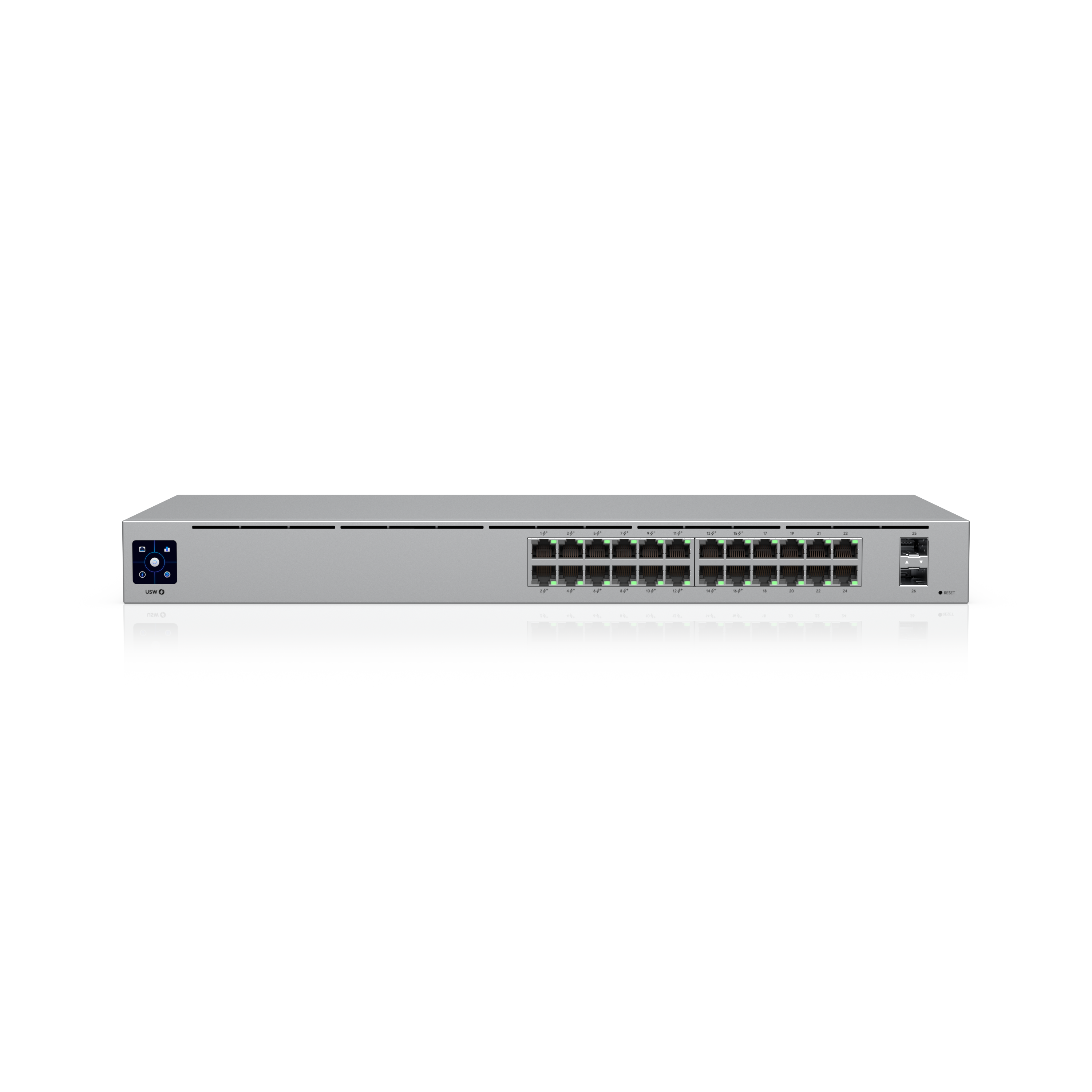
A 24-port 802.3at switch is not a 24-camera switch
That sentence is most of the article. A switch advertising a 370 W total budget will not run twenty-four cameras drawing 20 W with infrared active, and it will not tell you politely — it will drop the last ports it powered, which are often the ones covering the lot.
What we put on the sheet
PoE goes on the same page as the camera schedule, one row per device:
Model, port, cable length, daytime draw, worst-case draw with infrared and heat, and a running total against the switch budget. Then a derate for temperature and headroom for the device that gets added next year — because one always does.
If the total does not fit, the design changes before anyone pulls cable. That might mean a midspan injector, a second switch closer to the load, a higher-budget chassis, or a camera model with lower illuminator draw. All four are cheap decisions on paper and expensive ones after the ceiling is closed. This is the same discipline whether the head-end is UniFi Protect or a Cisco Small Business switch feeding a third-party recorder.
If an integrator cannot show you a watt column beside each camera, ask for one. It is not an extra deliverable. It is the job.