Aug 12, 2026 · Networking
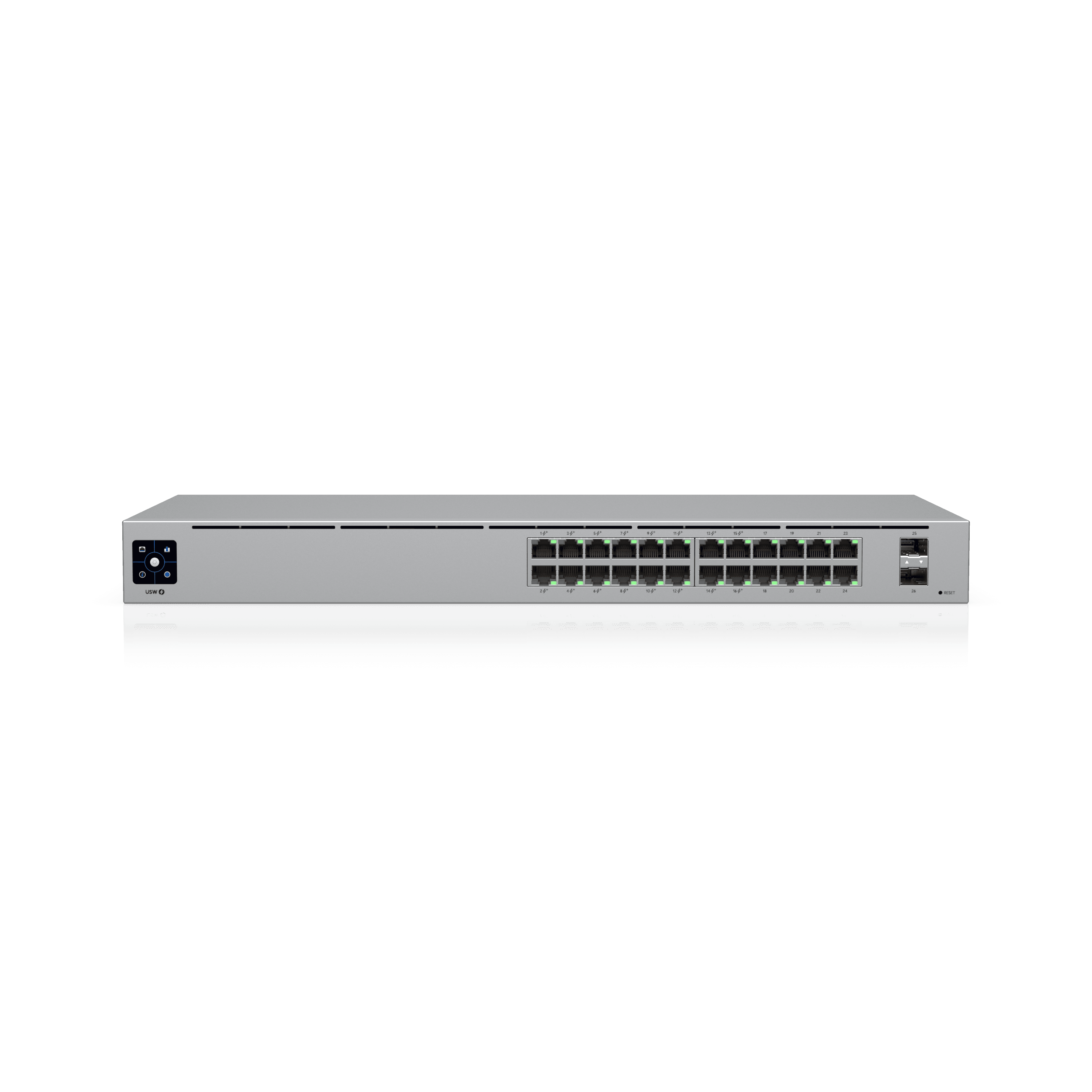
Coverage of "security networks" usually stops at firewalls and a segmentation diagram. On a boardwalk shop, a daycare, or a small warehouse, the decision that bites is more boring: which switch family feeds the cameras and door hubs, and whether anyone put a watt column next to the camera schedule before ordering it.
We design in three lanes. Not because we sell all three, but because buyers already live in one of them and moving them costs money they should spend on coverage instead.
Meraki, when the site already runs cloud-managed Cisco
An MX at the edge, MS switches in the IDF, and VLANs separating cameras, access, and office traffic. This is the right lane when there is already a Meraki dashboard and someone who knows it, or when a corporate parent mandates the platform.
Licensing is part of the conversation from the first meeting. We quote what is orderable in the current catalog, not a bundle name from two years ago, and we make the renewal visible in the five-year number rather than burying it.
UniFi, when Protect and Access belong on one console
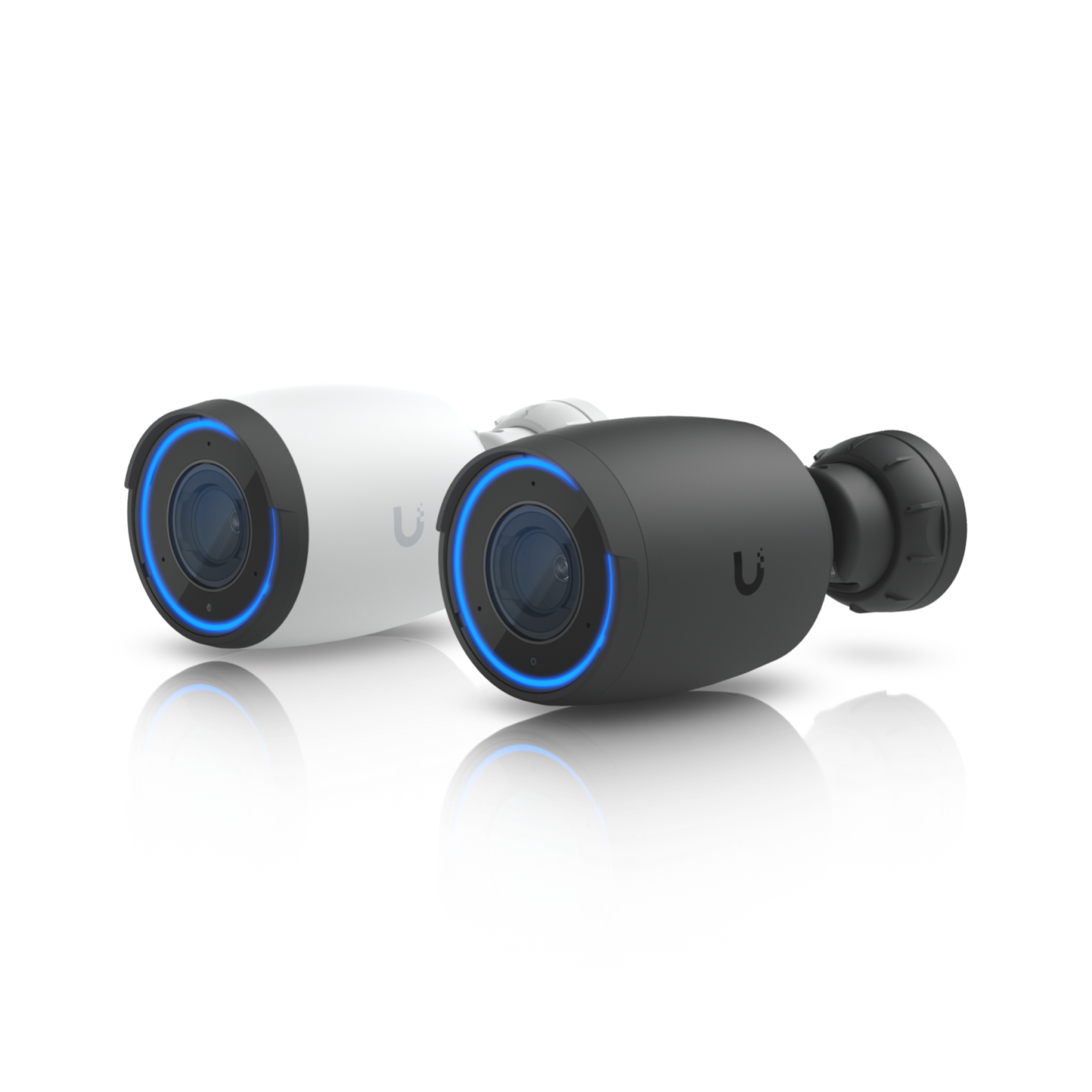
If the site is running UniFi Protect, Access, or a G3 Intercom, putting the switching on the same stack means one vendor, one support path, and PoE budgets that sit on the same sheet as the camera schedule. For an owner-operated site with no IT staff, that consolidation is worth more than any single feature comparison.
Cisco Small Business, when the buyer wants no switch subscription
CBS250 and CBS350-class switches suit the owner who buys through a reseller or a rep and does not want a cloud license attached to a switch. One IDF, six cameras, two door hubs, managed locally. The Cisco Small Business line is unglamorous and it holds up.
Cisco ISR and enterprise routing belong to integrators running larger programs. We stay in the small and mid-commercial lane where our buyers actually procure.
The part that decides whether it works
Whichever lane, the same three sheets get produced before hardware is ordered.
A port map — every camera, door hub, access point, and uplink assigned to a physical port, with spares identified. A power budget — measured or datasheet draw per device including infrared and heater load, summed against the switch's real PoE budget, with headroom. And a VLAN plan with addressing, so cameras and door controllers are not sharing a broadcast domain with a guest network or a point-of-sale terminal.
Those three sheets are the difference between a network that survives a cold February and one that drops two cameras every night after dark. The trade press will keep publishing best-practice guidance and breach post-mortems, and we read it. It still comes down to the port map and the watt math.