Jul 14, 2026 · Access control
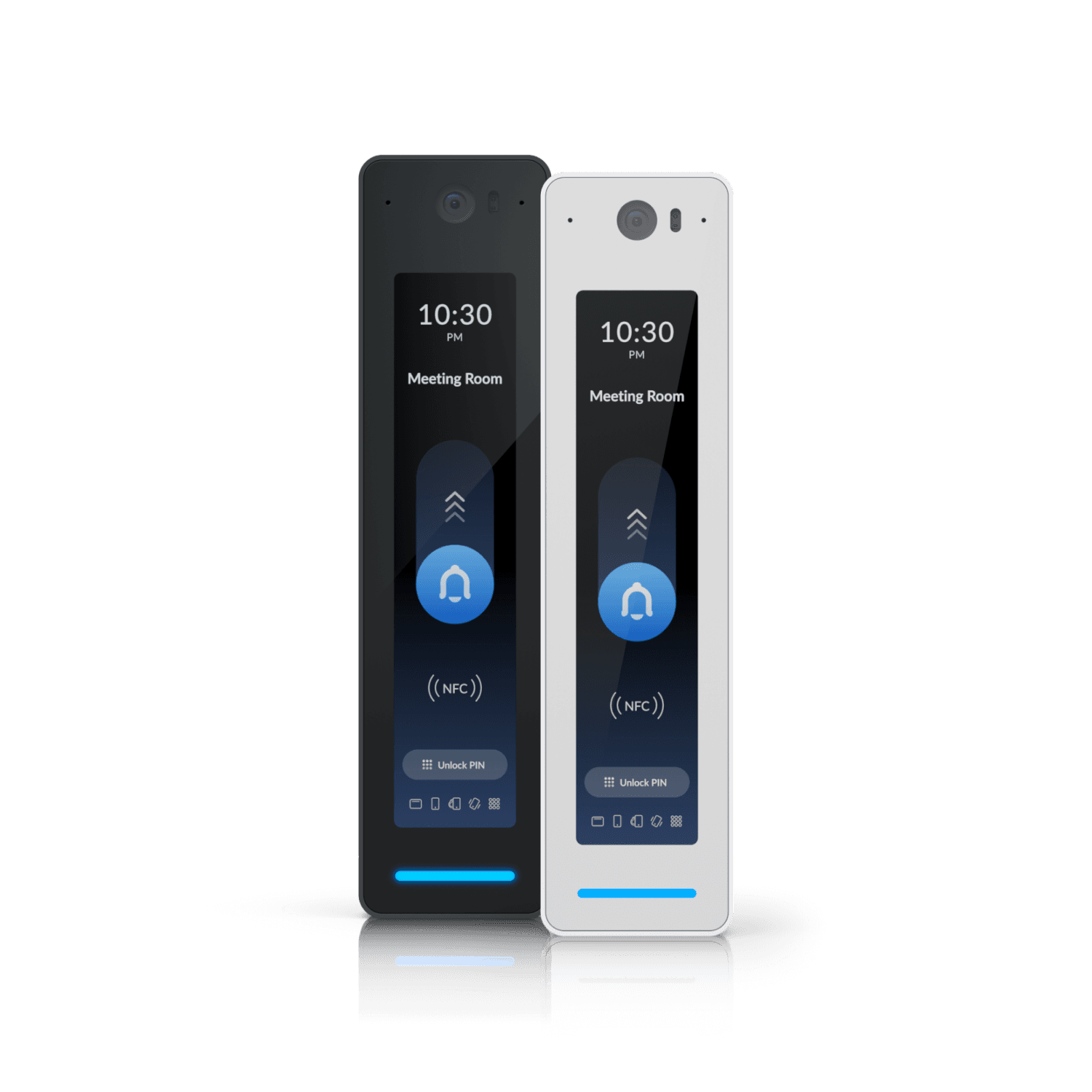
Access control on a proposal is often one line: "card readers at main doors." That line does not tell an electrician how the door behaves when power fails, whether the fire alarm releases the lock, or how someone gets out if the reader is dead. It is a budget placeholder wearing the clothes of a design.
The two words people use interchangeably
Fail-safe hardware unlocks when it loses power. Fail-secure hardware stays locked. Neither is correct in general; each is correct for a specific opening.
An electromagnetic lock on a required egress door is fail-safe by necessity — it must release when power or the fire alarm drops. A stockroom or server room door is usually fail-secure, because losing power should not open the room. An exterior entry might be fail-secure with mechanical egress hardware that always works from the inside regardless of what the electronics are doing.
Getting this wrong produces one of two outcomes: a door that traps people, or a building that unlocks itself during an outage. Both are found during inspection or during an incident, and both are expensive to correct after conduit is in the wall.
What a real door schedule contains
One row per opening, with columns that a permit reviewer and an installer can both use:
- Opening — number, location, and swing.
- Lock type — strike, maglock, mortise, gate operator.
- Fail state — fail-safe or fail-secure, with the reason recorded.
- Egress — request-to-exit device, push-to-exit, panic hardware, or free mechanical egress.
- Life-safety interface — fire alarm relay, delayed egress if permitted, and who is providing the interface.
- Power — lock voltage and current, supply location, and whether the opening is on a backup supply.
- Credential and reader — what is being read, and what happens on a reader failure.
Life-safety interfaces are not optional on maglocked egress doors, and the applicable NFPA 101 provisions and local amendments are the authority — not a manufacturer's wiring diagram and not our preference.
Small scope, same rigor
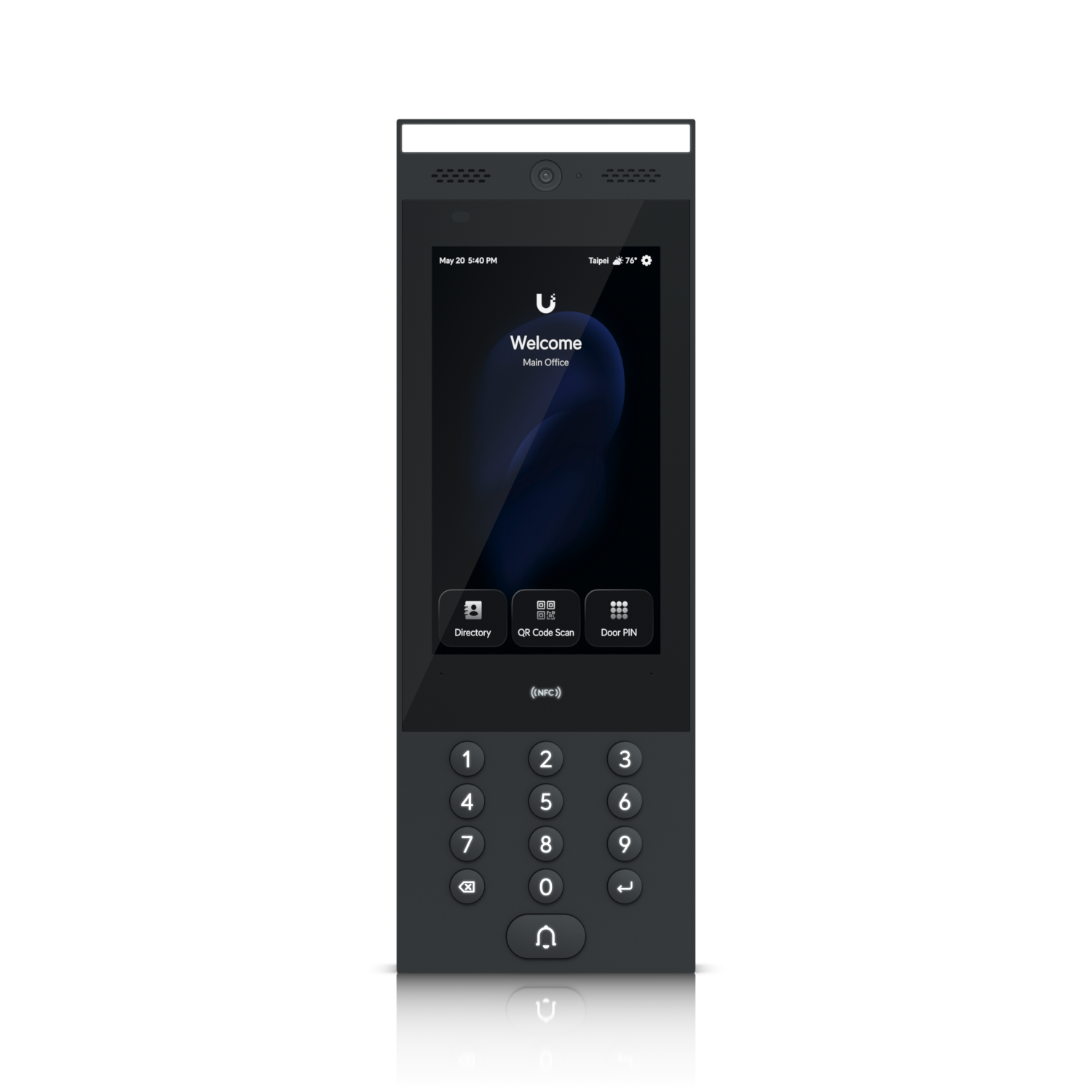
Our access work is deliberately narrow: a handful of doors, a gate, a shop back entrance, usually on UniFi Access with G3 readers or an intercom at the primary entry. Installation stays case-by-case, and on anything involving maglocked egress or a fire panel interface we expect a licensed electrician and the fire alarm contractor in the conversation.
Small scope does not mean a looser document. Six openings still get six rows. The schedule is what makes the hardware order correct, the inspection uneventful, and the doors behave the same way in a power failure as they do on the drawing.
If a designer cannot produce that schedule, they are not designing access. They are selling readers.