Cellular head-end
Peplink router in a weather enclosure — LTE/5G WAN when there is no wire to the park or church field.
Industry
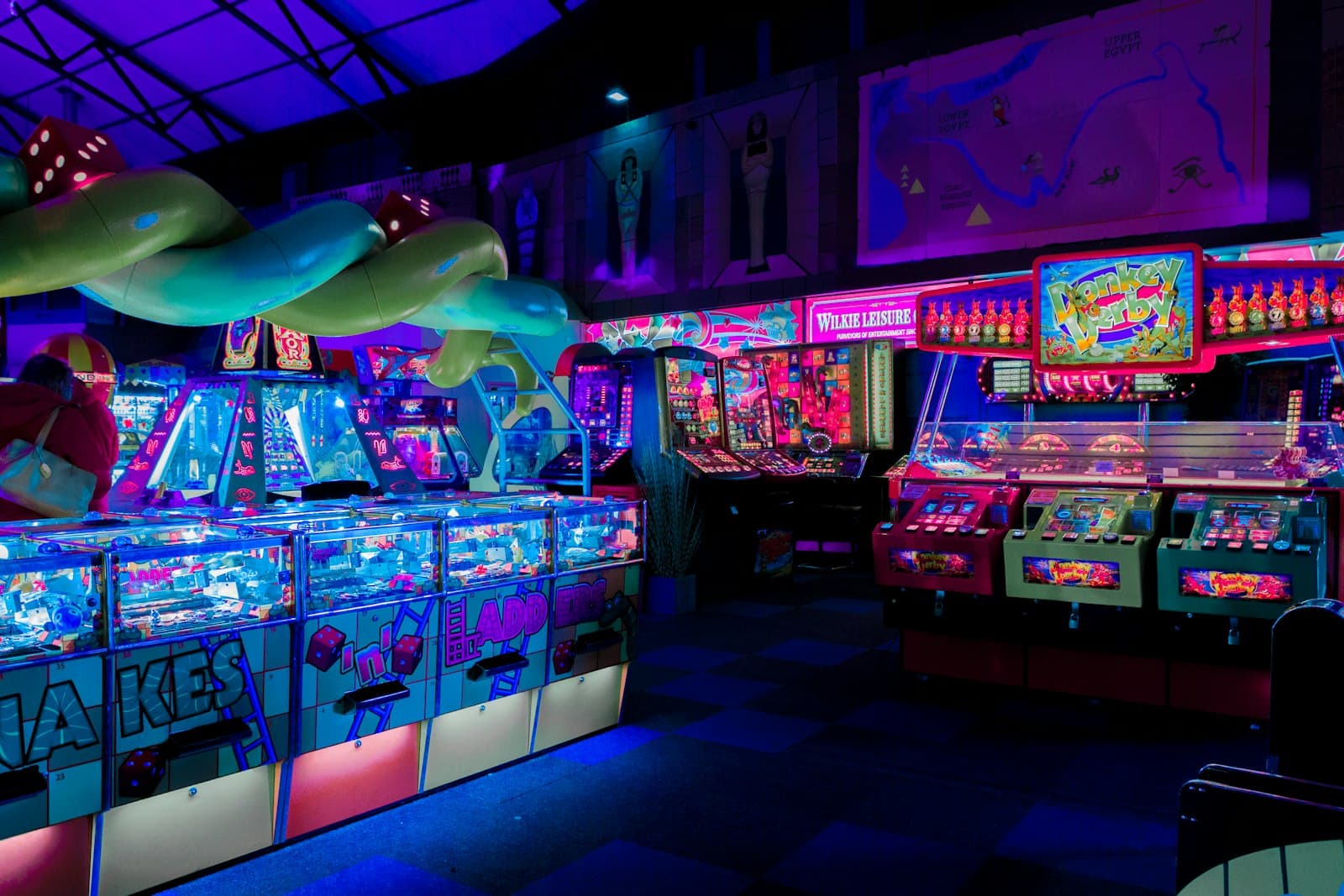
Boardwalk shops, arcades, indoor play centers, food trucks, and pop-up carnivals — fixed retail, trailer kits, and cellular event enclosures with guest Wi‑Fi and Protect cameras. Ballpark hardware ranges before a full design.
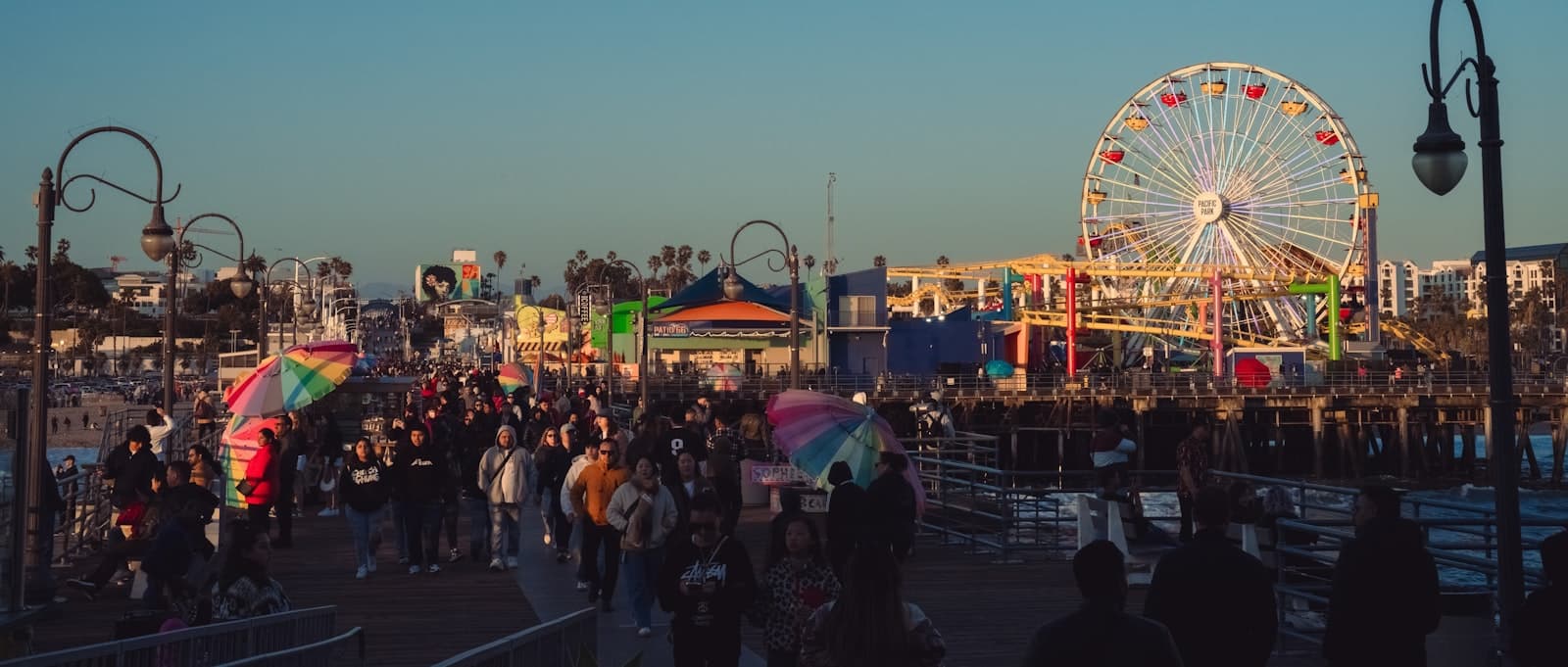
Representative shore atmosphere — boardwalk shops, guest Wi‑Fi density, and camera choke points at the pier.
We design fixed retail the same way we design any small business: network first, then cameras and access where they matter — register, door, stockroom, lot. Primarily Ubiquiti for switching, Wi‑Fi, and Protect cameras unless you already run something that works.
Mobile venues are a different animal. A food truck or merch trailer needs WAN where there is no wire — cellular, Starlink Business, or both — plus a small enclosure inside the unit, a camera on the booth, and Wi‑Fi for staff or a square reader. Shore power when you have it; solar-compatible design when you do not.
Hardware reference
Peplink
Cellular WAN at the gate or pad
LTE or 5G when cable will not reach
MAX BR1 Mini
LTE or 5G BR1 Mini at the gate or pad with Mobility antennas — InControl handed off after commissioning.
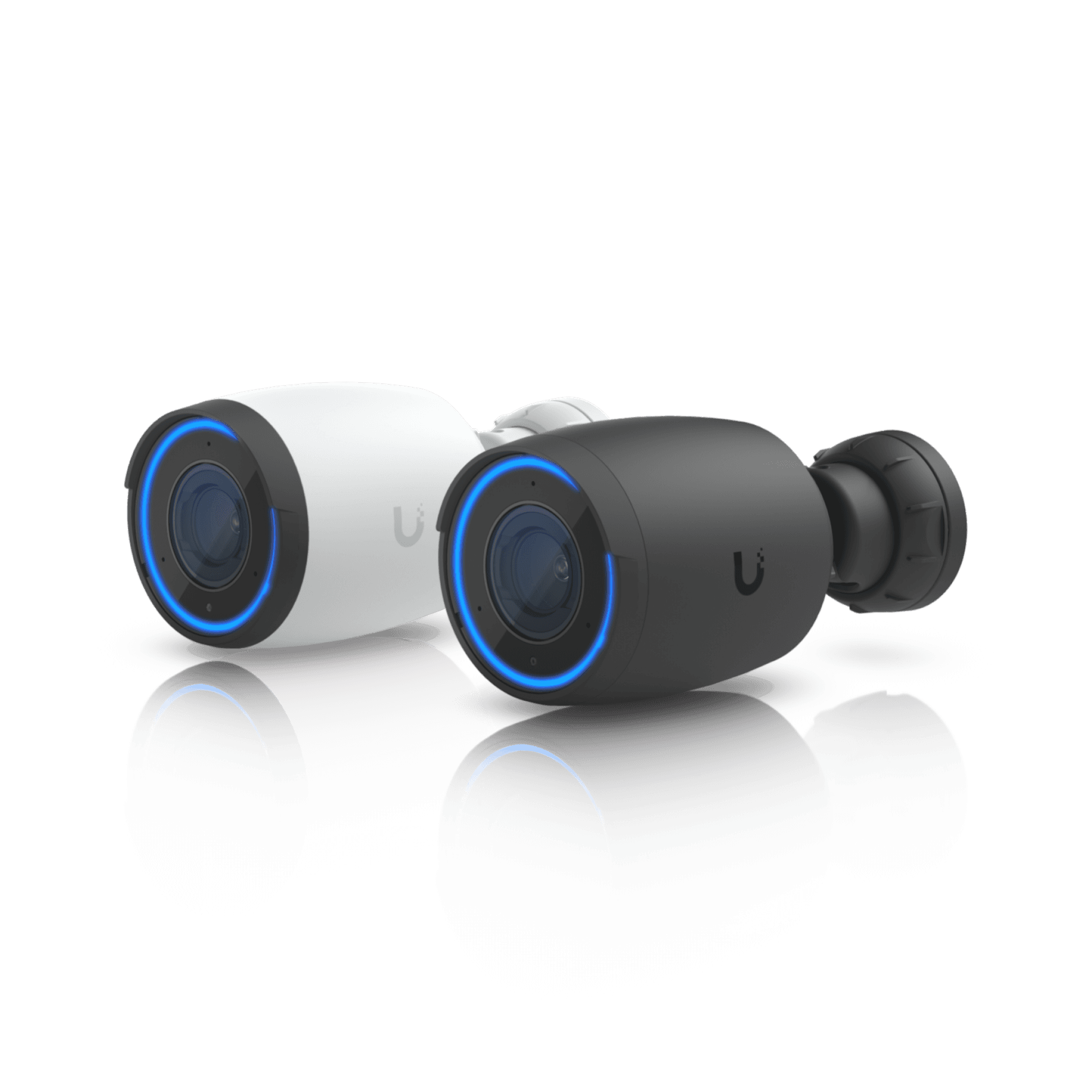
AI Pro camera
UVC-AI-Pro
AI-series analytics — person, vehicle, line cross, LPR, and facial recognition on capable models.
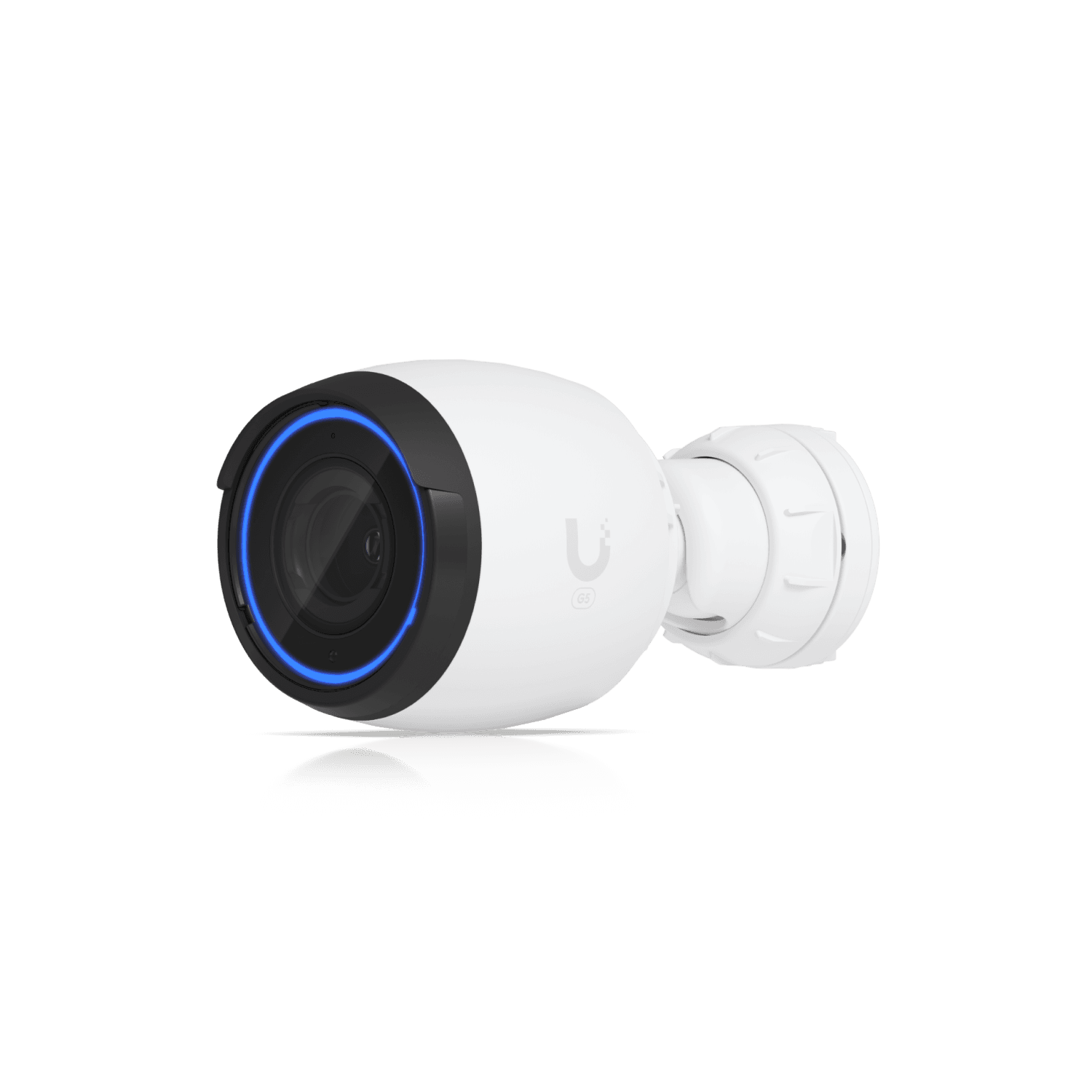
G5 Pro
UVC-G5-Pro
Current-generation Protect camera line — specified on the drawing, not from a shelf kit.
Product images courtesy of Ubiquiti Inc. UniFi is a trademark of Ubiquiti Inc. Orbit Security Group is independent and not affiliated with Ubiquiti.
Fixed retail
Typical scope: cameras at the door and register, guest or staff Wi‑Fi, a small switch in the back, and a recorder someone on staff can actually check. Strip-mall tenants often share a landlord feed — we design around what you are allowed to touch.
Mobile & event
We spec a self-contained kit: router with cellular (Peplink + InControl), optional Starlink failover, Ubiquiti AP inside, Protect camera on the exterior, and an enclosure mounted where vibration and heat allow. You get one design doc — not a parts hunt every weekend.
Shore retail
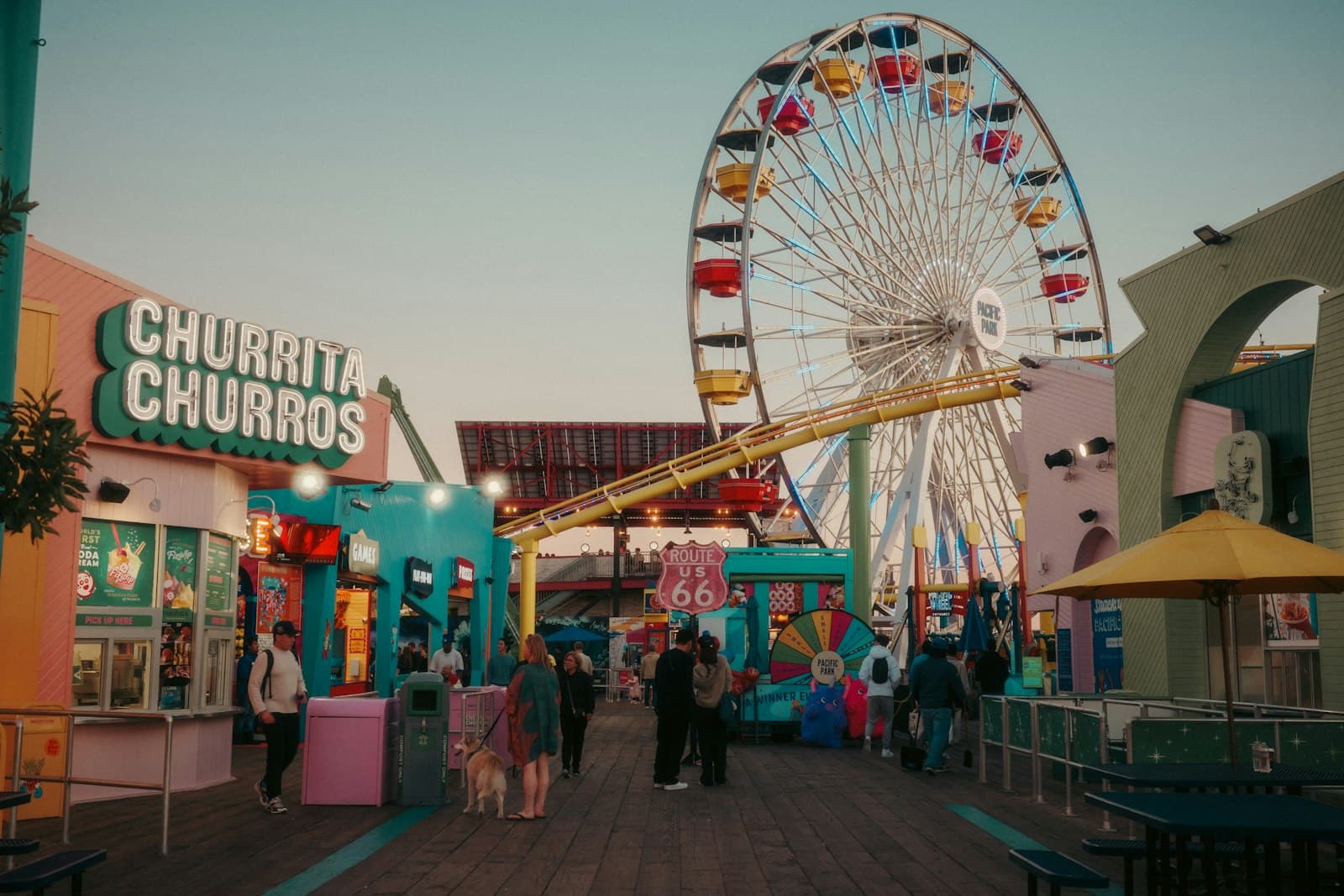
A boardwalk unit is not a strip mall — but it has the same problems at closing time.
You are often in a narrow footprint with a shared wall, a roll-up or glass front, and one person who locks up after the last customer. The register, the front door, and the stock closet still need cameras — and the network closet might be a shelf in the back with whatever the landlord allowed you to touch.
Seasonal hours mean gear has to survive salt air, heat, and the off-season when nobody is on site to reboot a router. We design around PoE budgets, guest Wi‑Fi separated from POS, and Protect cameras someone on staff can actually check — not a cloud bundle that stops working when the summer staff leaves.
When the scope includes screening visitors before you open the door, a G3 Intercom at the entrance fits the same VLAN plan as the cameras. Ballpark hardware ranges below are a starting point before we write a part list for your exact frontage.
Family entertainment
The new strip-mall play places — ball pits, soft play, party rooms — need more than a camera over the counter.
Arcades and family entertainment centers stack token counters, prize redemption, and high-traffic floors. Indoor play venues add enclosed play structures, birthday party rooms, and parents waiting up front while staff watch the floor. Liability and staffing drive where cameras go — entries, exits, the desk, and the play floor.
Network design matters too: POS, arcade VLANs, staff Wi‑Fi, and guest Wi‑Fi on separate segments so a birthday party does not flatten the network for the card readers. Cisco Small Business or UniFi switching in the back closet, Protect cameras sized to the layout, optional intercom at the single public entrance.
These sites often land between a small shop and a light campus — more cameras than a boardwalk t-shirt store, fewer doors than a school. The ballpark table below includes a play-center tier so you know what a six-to-ten camera layout looks like before a consult.
Temporary events
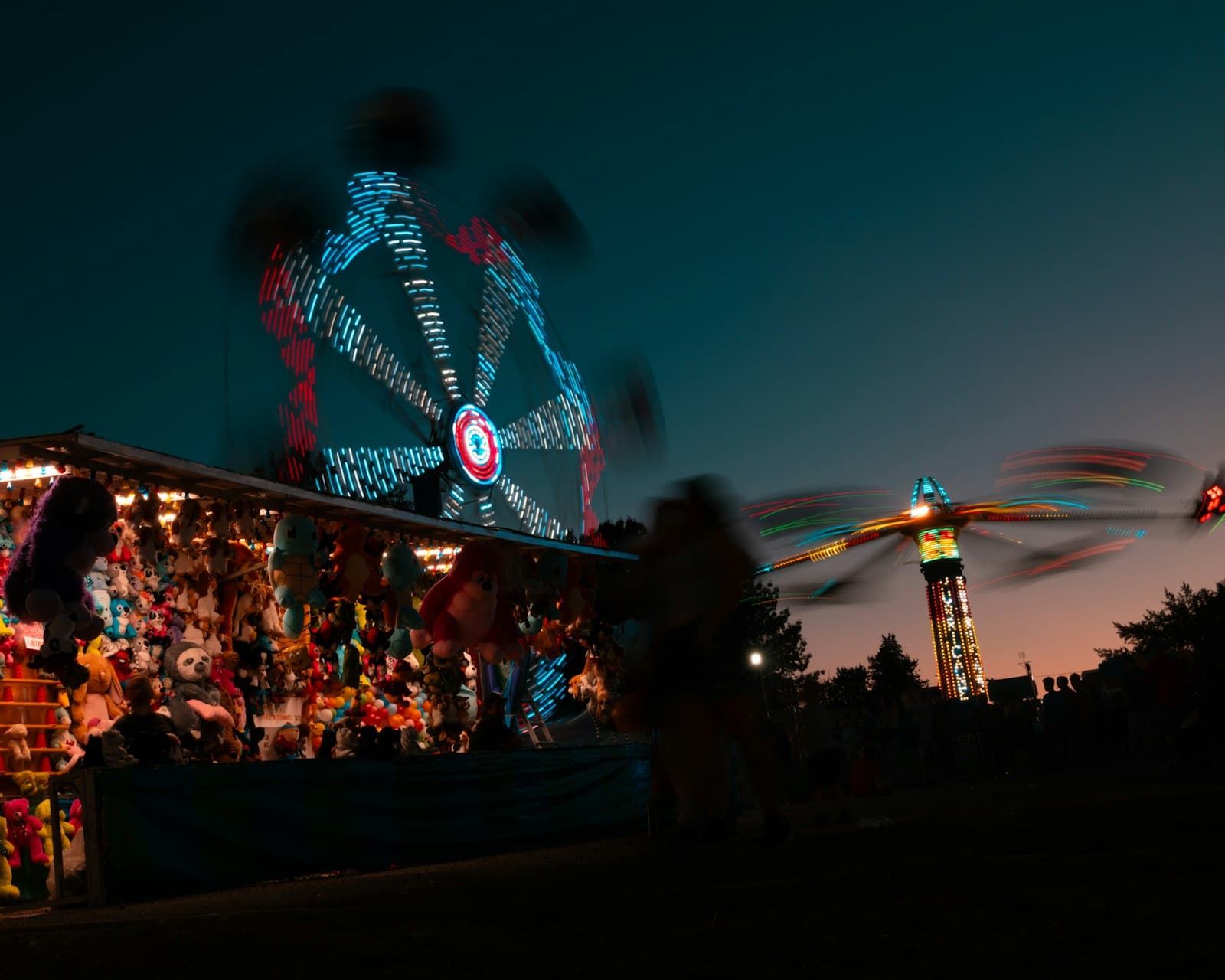
A weekend on the grass — no wire, no closet, still needs WAN, Wi‑Fi, and eyes on the midway.
Pop-up carnivals and amusement setups show up in park lots, church fields, school grounds, and main-street closures — especially across the middle of the country where traveling fairs are still how a town spends a summer weekend. There is no building to hang gear on. You need cellular WAN, weather-rated enclosures, PoE to cameras on poles, and guest Wi‑Fi that covers the whole footprint vendors and staff can actually use.
We design a self-contained head-end: Peplink cellular router (InControl handed off to you), PoE switch and Protect host in a lockable enclosure, outdoor APs on the perimeter, and cameras on the entrance, ticket booth, midway, and ride lines. Protect smart detections — person, vehicle, line cross — and facial recognition at choke points when the host wants staff alerts for incidents. Policy-first on face: operator security for the event, not a public stream.
Power is usually generator or a temporary distro from the venue — we size the enclosure and surge around what the event electrician provides. Tear-down and re-deploy next weekend is part of the conversation: which cables stay labeled, which mounts travel in the trailer, and what one person can bring up in an hour before gates open.
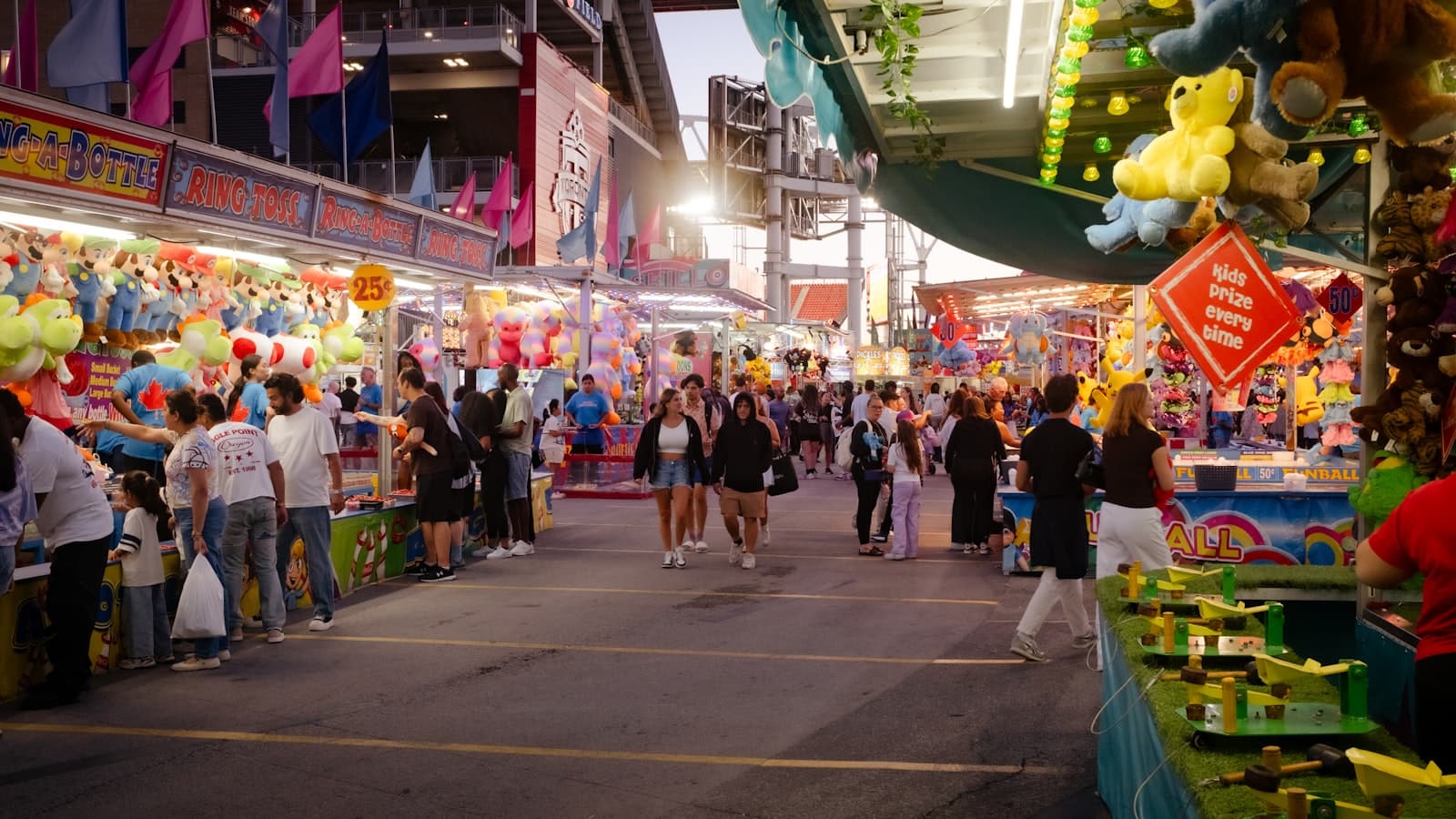
Peplink router in a weather enclosure — LTE/5G WAN when there is no wire to the park or church field.
Outdoor APs on the footprint so vendors, staff, and square readers stay on network across the whole event.
Cameras on entrance, midway, and ticket lines — smart detections and facial recognition at choke points when the host wants staff alerts.
What we specify
Router, VLANs, and AP placement so POS, cameras, and guest traffic do not fight on one flat network.
Ubiquiti Protect — door, register, stock, and the outside of the trailer. Analytics for the operator, not a public feed.
Cellular router, Starlink when the lot has no signal, and failover rules written down — trailer, booth, or pop-up enclosure.
Ballpark hardware
Ranges below are typical Ubiquiti / Peplink MSRP-style hardware only. Design time, install labor, cabling, and monthly cellular or Starlink service are separate. Every site gets a written spec before anyone buys gear.
Boardwalk shop, strip-mall unit, or standalone — one gateway, one or two APs, two to four cameras, one recorder.
| Component | Notes | Ballpark |
|---|---|---|
| Gateway / router | UniFi or similar — firewall, DHCP, guest VLAN if needed | $200 – $450 |
| PoE switch | Meraki, UniFi, or Cisco Small Business — when cameras and APs share one closet | $150 – $350 |
| Wireless access point | Per AP — ceiling or wall mount in the sales floor | $100 – $180 ea. |
| Security camera | Meraki, UniFi, or Cisco Small Business — door, register, stockroom | $100 – $280 ea. |
| Recorder / Protect host | Cloud Key, console, or NVR — depends on camera count | $200 – $600 |
Many fixed shops land roughly $1,200 – $3,500 in hardware before install — wide range depending on camera count and switch size.
Inline arcade, soft-play, or ball-pit venue — six to ten cameras, larger PoE switch, party room and floor coverage.
| Component | Notes | Ballpark |
|---|---|---|
| PoE switch (24-port class) | Sized for six to twelve cameras plus APs — not a 8-port that runs out at install | $250 – $550 |
| Security camera | Entry, desk, play floor, party room, stock — Protect with smart detections | $100 – $280 ea. |
| Recorder / Protect host | UNVR or console — retention for incidents, not cloud per-camera fees | $400 – $900 |
| Wireless access point | Staff + guest SSIDs — often two APs on a split floor plan | $100 – $180 ea. |
| G3 Intercom (optional) | Single public entrance — talk before buzz-in at open and close | From ~$485 |
Play centers and arcades often land $3,500 – $8,500 in hardware before install — higher with intercom at the entrance and extra APs for guest Wi‑Fi.
Single booth or food trailer — cellular router, enclosure, AP, exterior camera.
| Component | Notes | Ballpark |
|---|---|---|
| Cellular router | Peplink or similar — LTE/5G with InControl handoff | $400 – $950 |
| Starlink Business | Optional WAN — hardware + monthly service separate | From ~$500 hardware |
| In-trailer router / AP | Ubiquiti — staff Wi‑Fi and camera traffic on one box when possible | $150 – $350 |
| Exterior camera | Protect camera on the trailer or booth — merch, door, approach | $100 – $280 |
| Enclosure & mounting | Rack or wall box, antenna pass-through, surge — sized to the trailer | $200 – $900 |
| Solar / shore power | Design around what you already have — inverter, battery, or 120V shore feed | Site-specific |
A basic mobile kit often runs $1,500 – $4,500 in hardware before install — higher with Starlink and dual-WAN failover.
Cellular enclosure, four to eight cameras, outdoor APs for guest Wi‑Fi across the lot — park, school, church, or traveling show.
| Component | Notes | Ballpark |
|---|---|---|
| Cellular router | Peplink LTE/5G — primary WAN for the whole fair; InControl handoff after commissioning | $400 – $950 |
| Weather enclosure | Lockable rack or pole box — router, switch, recorder, surge, antenna pass-through | $800 – $2,500 |
| PoE switch (24-port class) | Powers cameras and outdoor APs from one head-end — sized for four to eight cameras plus Wi‑Fi | $250 – $550 |
| Outdoor wireless AP | Guest and vendor Wi‑Fi across the lot — often two to four APs on the footprint | $150 – $280 ea. |
| Protect camera (analytics) | Entrance, midway, ticket booth, ride lines — AI-series for smart detections; face at choke points when policy allows | $100 – $280 ea. |
| Recorder / Protect host | UNVR or console in the enclosure — local retention and NeXT search for incident review | $400 – $900 |
| Pole mounts & temp cabling | Tripod, mast, or hitch mounts; outdoor-rated Cat6 runs — travels with the show | $400 – $1,800 |
| Generator / shore tie-in | Design around event power — distro, UPS for head-end, surge at the panel | Site-specific |
A weekend event kit often lands $6,000 – $18,000 in hardware before install — wider with more cameras, APs, and a larger enclosure for multi-week fairs.
Platforms
Switching, Wi‑Fi, and cameras default to Ubiquiti Protect. Mobile WAN is usually Peplink with InControl handed off to you, or Starlink Business into the same router — trailer, booth, or pop-up enclosure on the park lawn. We also design around gear you already own when it still makes sense.
ROI & efficiency
Boardwalk shops, strip malls, arcades, and seasonal trailers share the same math — loss prevention, liability defense, and insurance leverage usually beat the hardware cost before the second season.
Industry surveys often cite 15–40% reductions in external and internal theft once professional coverage is live. Many small retailers recover the system in 8–14 months from loss prevention alone — when the register and exits are actually on camera.
One well-placed camera over the POS is frequently the highest-ROI shot on the drawing. It pays for itself faster than almost any other single mount.
Slip-and-fall and customer dispute claims commonly run $20k+. Clear video ends most false claims early — before they become a legal bill.
Carriers often offer 5–15% premium relief once a documented system is in place. Ask your agent what they need on the drawing.
Protect person detection, dwell time, and line crossing can show staffing and traffic patterns — no separate analytics subscription.
Cellular or Starlink plus cameras lets owners watch a remote booth, trailer, or fair lot without paying for on-site staff every night.
Ranges below come from common industry reports and owner feedback — your site, insurance carrier, and operation will differ. We size systems to the property, not to a brochure.
Tell us fixed or mobile, how you get power, footprint size, and what you need on camera and Wi‑Fi. We will tell you whether a design consult is the right next step — and what a realistic hardware range looks like.